


Mobile gambling is convenient, but a small screen can make spending and session time harder to notice. Anyone comparing mobile casino applications Canada should therefore assess the available controls before opening a game, rather than treating mobile access as a simple technical choice. The information associated with lussurio casino describes browser-based smartphone and tablet access, with tools such as deposit, wagering, loss and session limits. The practical question is whether those controls fit your own boundaries and remain easy to use when playing away from a desktop.
Start by separating mobile access from a downloadable app
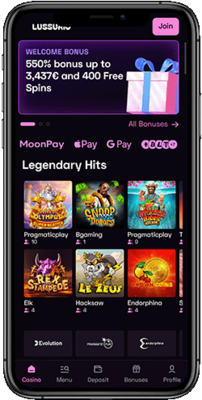
A casino website that adapts to a phone browser is not necessarily a native application. A browser-based service opens through Safari, Chrome or another modern mobile browser, while a native app is installed through an official app store and may have its own permissions, updates and security checks. This distinction matters because app-like labels in directories do not prove that an official iOS or Android download exists.
The available material describes an instant-play website designed for smartphones and tablets. It says that mobile users can access casino content, promotions, account areas and cashier functions without a desktop computer. However, a verifiable App Store or Google Play listing was not established. Treat an advertised mobile option as browser access unless the operator provides a clearly identifiable official download and the store listing matches the operator’s stated information.
Before using a mobile site, check that the address is correct, the connection is encrypted and the device software is current. Avoid installing files supplied through pop-up advertisements, unofficial download pages or messages from unknown senders. A browser shortcut placed on a home screen may look like an app but does not change the underlying service. Keeping that difference clear helps you evaluate privacy, account recovery and responsible-gambling controls realistically.
Choose limits before convenience takes over
Responsible gambling settings work best when they are decided before a session begins. The listed account controls include deposit limits, wagering limits, loss limits, time or session limits, reality checks, cooling-off periods and self-exclusion. These tools serve different purposes: a deposit limit controls money added, a loss limit focuses on the amount lost, and a time limit addresses how long the session continues.
Do not assume that one limit automatically covers every type of activity. A deposit cap may not show how quickly funds are being used, while a session reminder may not stop additional deposits. Review the wording shown in the account area and confirm whether a setting applies immediately, begins later or requires support assistance. If the terms are unclear, ask customer support before depositing rather than relying on an assumption.
A useful personal plan can include three decisions:
- the maximum amount you can afford to lose during a defined period;
- the maximum session length, including breaks away from the screen; and
- the action you will take if you reach either boundary.
Use figures based on disposable money, never rent, debt repayments or essential household costs. A limit is a safety barrier, not a target to reach. If you find yourself raising it during play, pause and consider a cooling-off period or self-exclusion instead of treating the change as normal budget management.
Make mobile sessions easier to monitor
Phones are used in short bursts, which can make several separate sessions feel less significant than one long period. Notifications, travel, waiting rooms and multitasking can also reduce attention to balances and elapsed time. Reality checks and session limits are therefore particularly useful on mobile, where a player may move between applications without noticing how long gambling has remained open.
Before starting, decide when the session will end and set an external reminder if the available account control does not provide one. Keep the gambling window separate from entertainment, work and financial apps. Do not play while driving, working, drinking or dealing with urgent responsibilities. A stable setting with fewer interruptions makes it easier to notice whether the activity remains recreational.
After a session, record the amount deposited, the amount returned and the net result. This does not predict future outcomes, but it can correct the impression that brief play has little financial effect. Check account history regularly rather than relying on memory. If the figures cause concern, stop using the service and seek independent support. The Responsible Gambling Council’s public information offers Canadian-focused education about safer gambling and related risks.
Check the limits of controls and mobile security
Account tools cannot remove every risk. They may not cover activity on another account, another operator or a different device. A person who has reached a deposit limit might still be tempted to seek another route, while a time reminder may be ignored. For that reason, responsible gambling settings should be combined with practical financial and device boundaries rather than treated as a complete safeguard.
Use a separate entertainment budget and avoid storing payment details on a shared or borrowed device. Turn on the device’s screen lock, use a unique password and never disclose login codes through chat or email. Sign out when appropriate, particularly on public or family devices. Do not permit another person to gamble through your account: the available information describes individual accounts and restrictions on duplicate registrations, so account sharing can create both security and verification complications.
Mobile security also affects decision-making. Public Wi-Fi, malicious downloads and fake support messages can expose personal information or create pressure to act quickly. A legitimate support process should not require you to reveal a password or send sensitive documents through an unverified channel. If an account becomes restricted or a verification request appears, use the operator’s stated support route and keep records of your communications. Never chase losses while waiting for an answer.
Know when to pause or close access
A temporary cooling-off period is appropriate when gambling has become distracting, emotionally charged or difficult to keep within budget. It creates distance without requiring you to decide immediately about permanent exclusion. During that period, remove saved shortcuts, mute promotional notifications and move spare funds away from any readily available gambling payment method. These small changes reduce opportunities for an impulsive return.
Self-exclusion is a stronger option when you no longer want access for a defined period or indefinitely. Read the stated procedure carefully, including how the request is submitted, how long it lasts and whether you must contact support. Do not assume that excluding one account blocks activity with unrelated operators. If gambling is affecting relationships, work, sleep or essential finances, speak with a qualified Canadian support service rather than trying to solve the problem through stricter app settings alone.
Keep evidence of limit requests, cooling-off decisions and support replies. If a control does not appear to work as expected, stop depositing and ask for clarification. Avoid opening a replacement account to get around a restriction; the published account information indicates that duplicate registrations can be restricted and that identity checks may apply. The safest mobile choice is ultimately the one that preserves control, even when that means putting the device away or ending access entirely.
Questions about safer mobile gambling
Is a mobile casino application always a native phone app?
No. A responsive website can provide a similar phone experience without being downloadable from an official app store. Check whether a genuine iOS or Android listing exists, and do not install files from unofficial sources. A home-screen shortcut is still browser access, so evaluate the website’s security and account controls accordingly.
Which limit should be set first?
Begin with an affordable loss or spending boundary and pair it with a session-time limit. A deposit limit controls money added but may not reflect the total cost of play. Choose figures before gambling, review how they operate, and avoid changing them during an emotionally intense session or after losses.
What should someone do if limits keep being ignored?
Stop the session and use a cooling-off period or self-exclusion rather than raising the limit. Remove payment shortcuts and promotional notifications, then seek independent support in Canada. If gambling is affecting essential expenses, relationships or wellbeing, treat that as a reason for personal assistance, not as a sign to try another mobile platform.